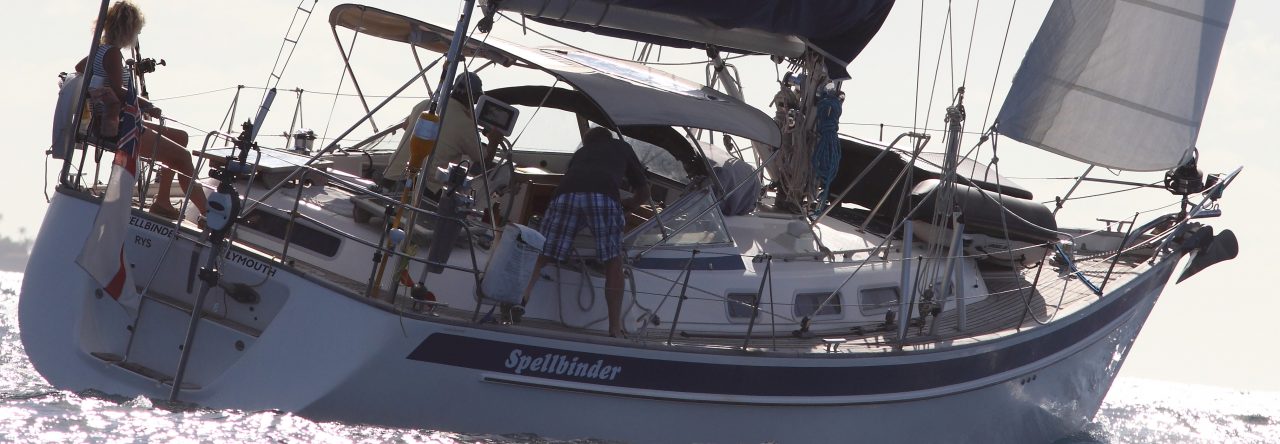
I’m now back from this year’s sailing circumnavigation of Ireland, and have had time to reflect on what was a challenging, rich, cultural, educational and hugely pleasurable trip, on many levels.
For security reasons I was unable to travel to Ireland as a young man – my profession made it potentially dangerous during The Troubles. Ever since I first set foot in Northern Ireland, where I have spent 3 years of my life, I had wondered what life was life in the south. I had also hoped that one day the time would come when I could travel there freely with my family. I thought that time had come in 2020, but Covid and its restrictions, and other sailing challenges delayed my arrival by 4 years.
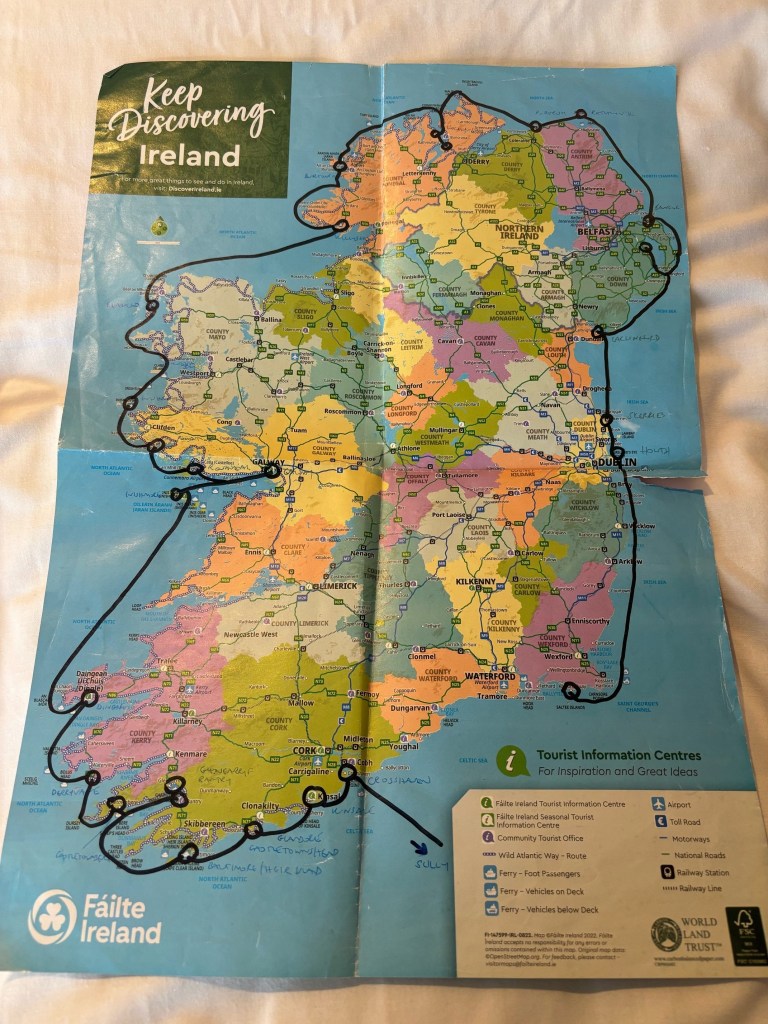
I didn’t use the map above to navigate by (!) but it was a useful way to gauge progress. My trip could really be divided into 4 stages, as I went round clockwise.
The first part was lovely South West Ireland, the real home of yachting in Ireland. Crosshaven to Dingle, taking in the coasts of counties Cork and Kerry, was full of beautiful rivers and inlets, delightful islands and soft landscapes, wonderful culture and gastronomic excellence. In this part of Ireland it is easy to sail, with marinas and yachting infrastructure in place, and many options to escape from poor weather, both wild and urban. We much enjoyed it, eating, drinking and sailing well, and this coastline was an ideal start to the summer.
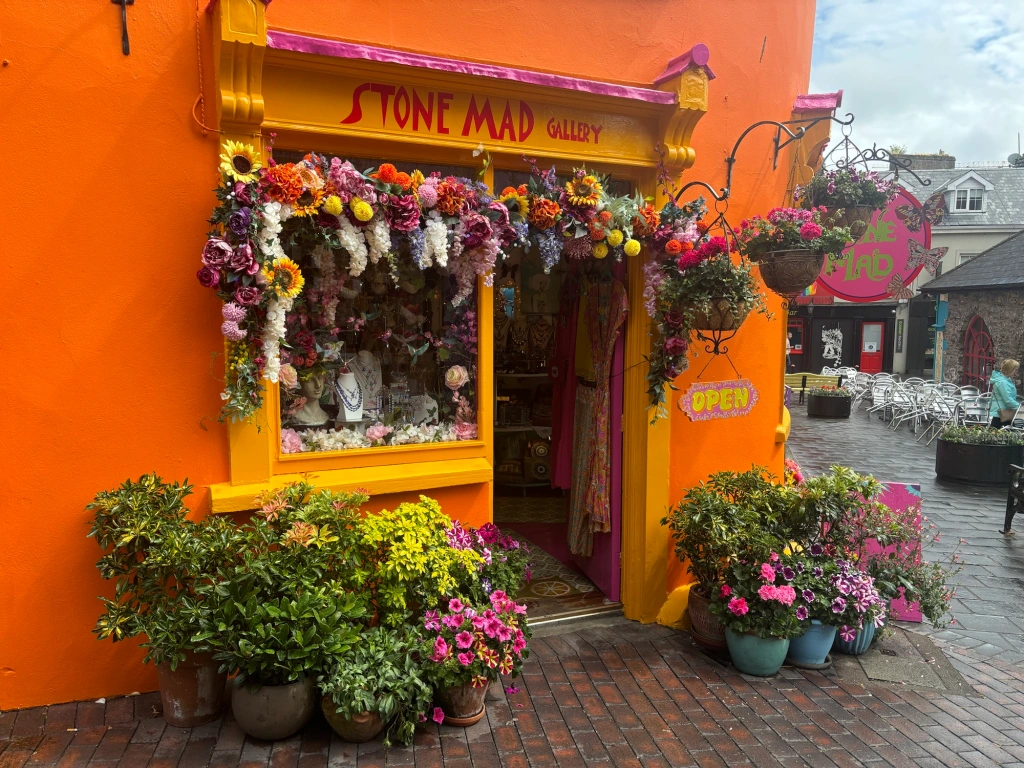
Kinsale
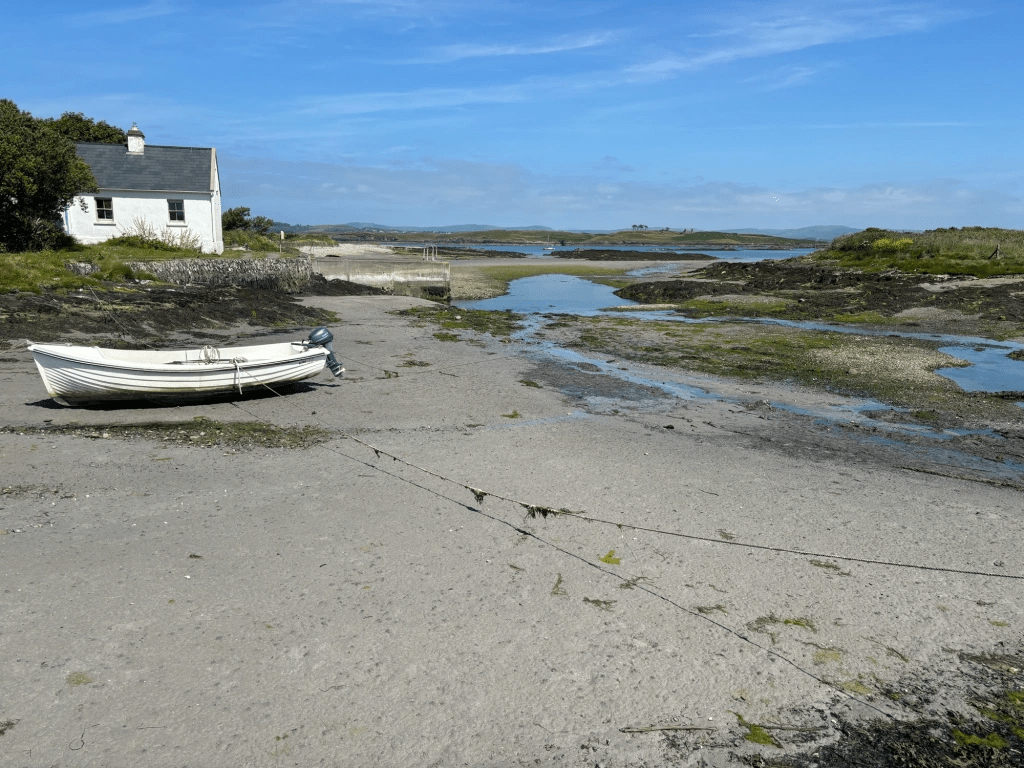
The second part was the very wild west coast, from Dingle up to Donegal – the coasts of counties Clare, Galway, Mayo and Donegal. It was quite tough sailing, with unhindered Atlantic swell hitting the coast, and Atlantic depressions dumping their rain here first. There was very little to support the yachtsman – the first marina (save a few berths in Galway) was way up in Donegal. The coastline is spectacular – high cliffs, towering rocks, and spectacular off lying islands. We loved it, but sought refuge from the weather on a couple of occasions, in Inishmore in the Aran islands, and in vibrant and fun Galway. For those seeking Atlantic wilderness, as we were – linger here.
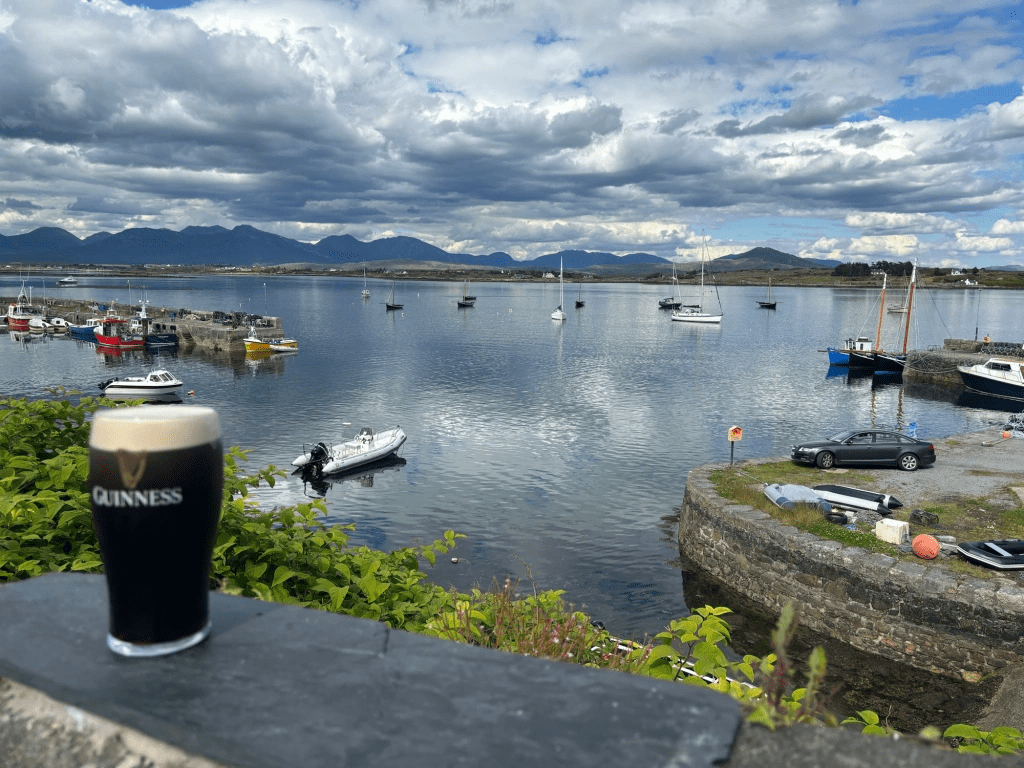
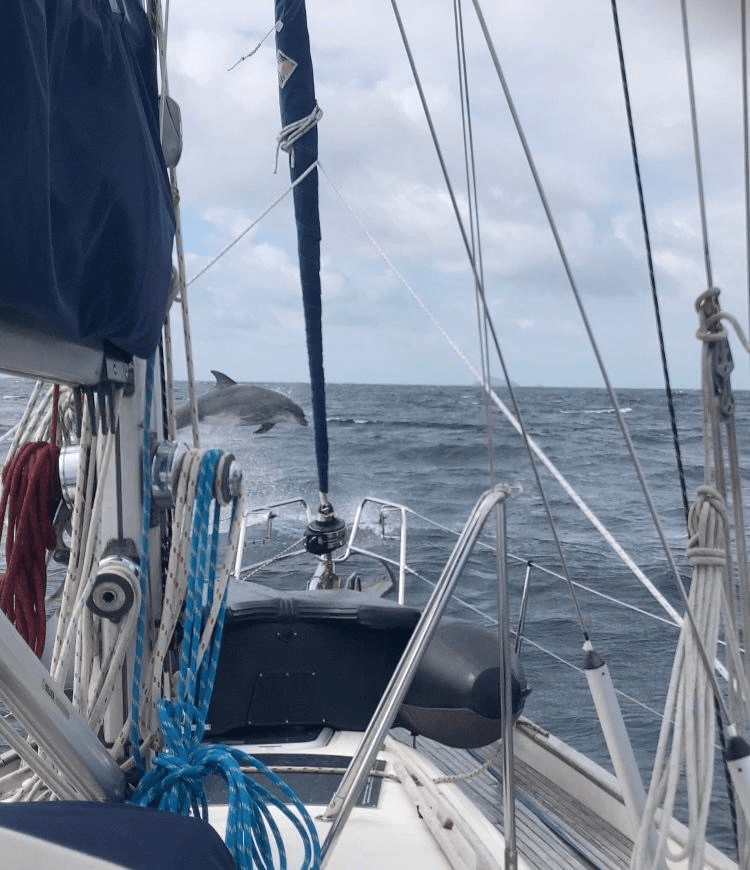
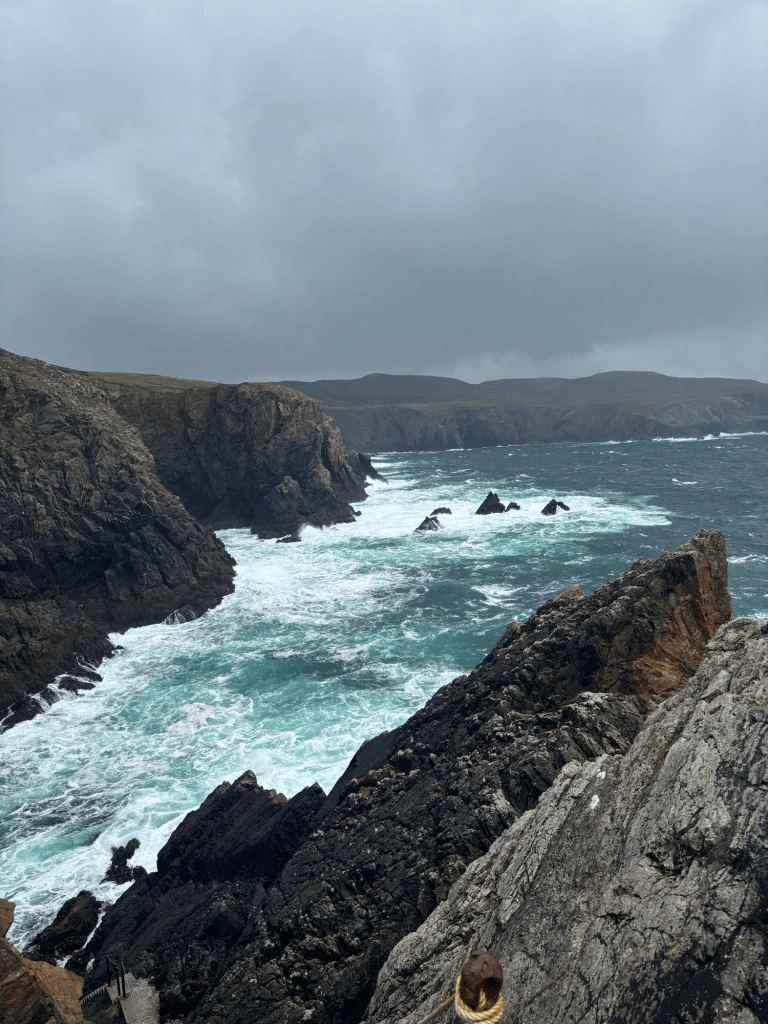
The third leg was the north, from Donegal round to Strangford Lough, heading along Counties Derry, Antrim and Down. It was good to get round Malin Head, and start to feel the wind behind us. Before then, though, Aranmore and Loch Swilly were wonderful to visit, the latter providing the finest anchorage of the trip. We enjoyed re-visiting Portrush, but Bangor and Rathlin Island were new to us. Strangford, as ever, was a delight, with its wild tides and wonderful welcome from the Down Cruising Club. We also caught up with a few old friends from times past, with great joy.
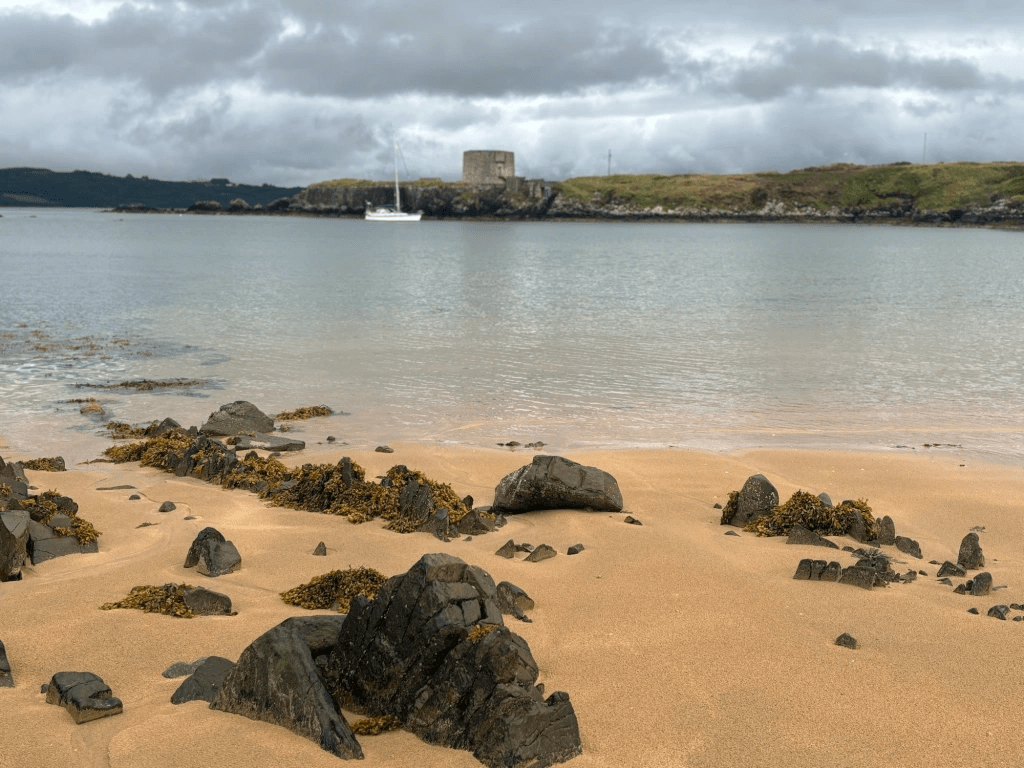
The final leg was the east coast – Louth, Meath, Wicklow and Wexford. It was more sheltered, and soft; Howth was a great stopover from which to enjoy Dublin, and we had a long day to reach Kilmore Quay. We didn’t quite close the circle, but felt we had seen the essence of the Irish coastline.
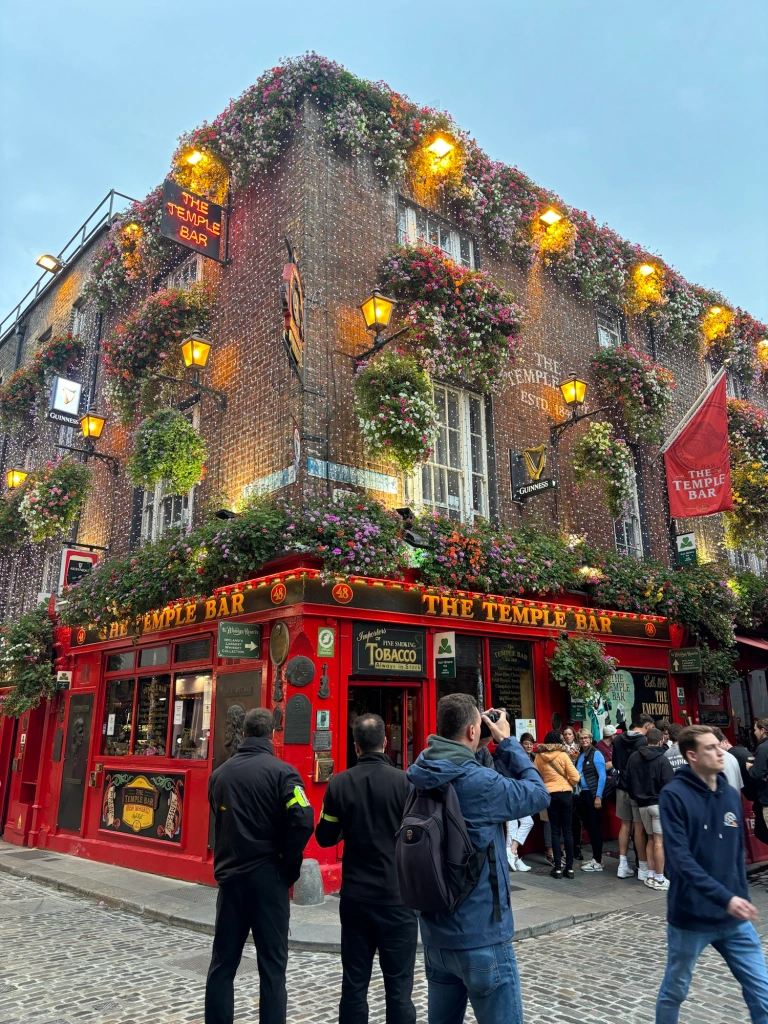
Some conclusions then. It’s a fabulous cruising ground, but not necessarily an easy one, particularly the Wild Atlantic Way (west coast) as it’s known. Even in summer the west coast dishes up strong winds, rain, and above all Atlantic swell. Tropical champagne sailing it is not. Apart from the south west, there is little structure in place to support yachting; fuel is an issue, with none available beside a berth for the whole coastline from Dingle to Bangor – that’s half of Ireland. Instead, you club together and a fuel bowser arrives harbourside. We generally avoid marinas, preferring to anchor, so we didn’t suffer, but it is not for the faint hearted. That said, the RNLI (one of the few royal institutions to survive Irish independence) is everywhere, and the fishing fleets provide expertise and help in emergencies.
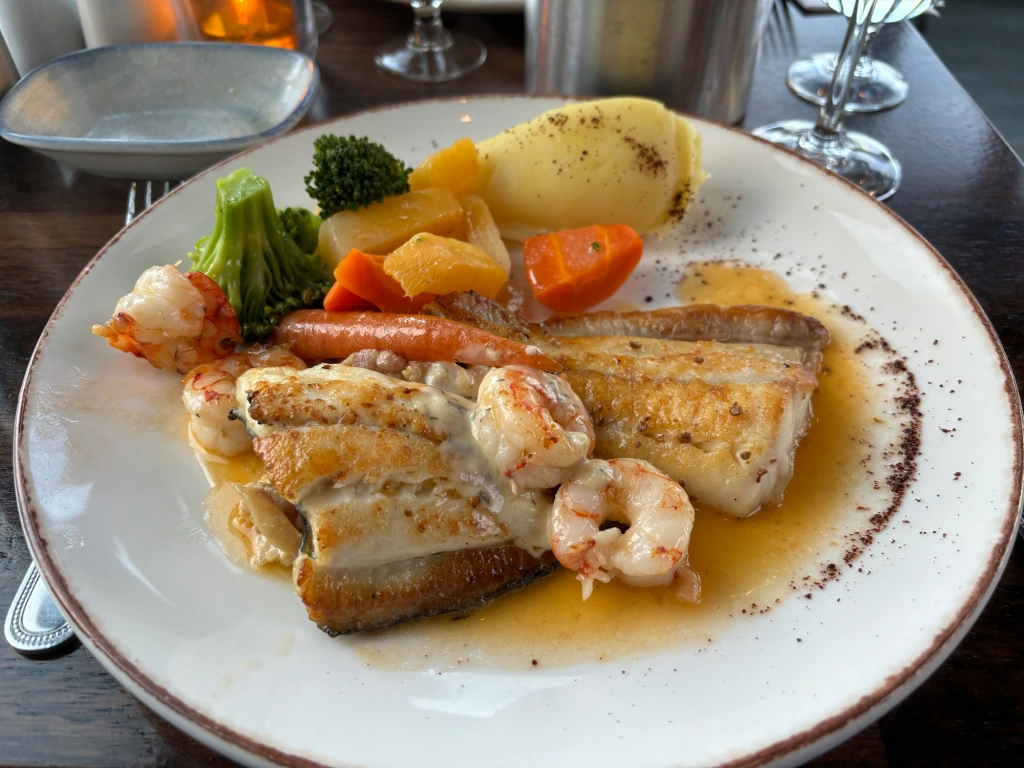
There are enormous amounts for the geographer, geologist, ornithologist or gastronome. So much of the country remains unspoilt, and when we could see the landscapes, they were enthralling. The bird and sea-life was extensive and varied. The coasts are rich; we ate some of the best seafood of my life in places like Dingle and Skerries.
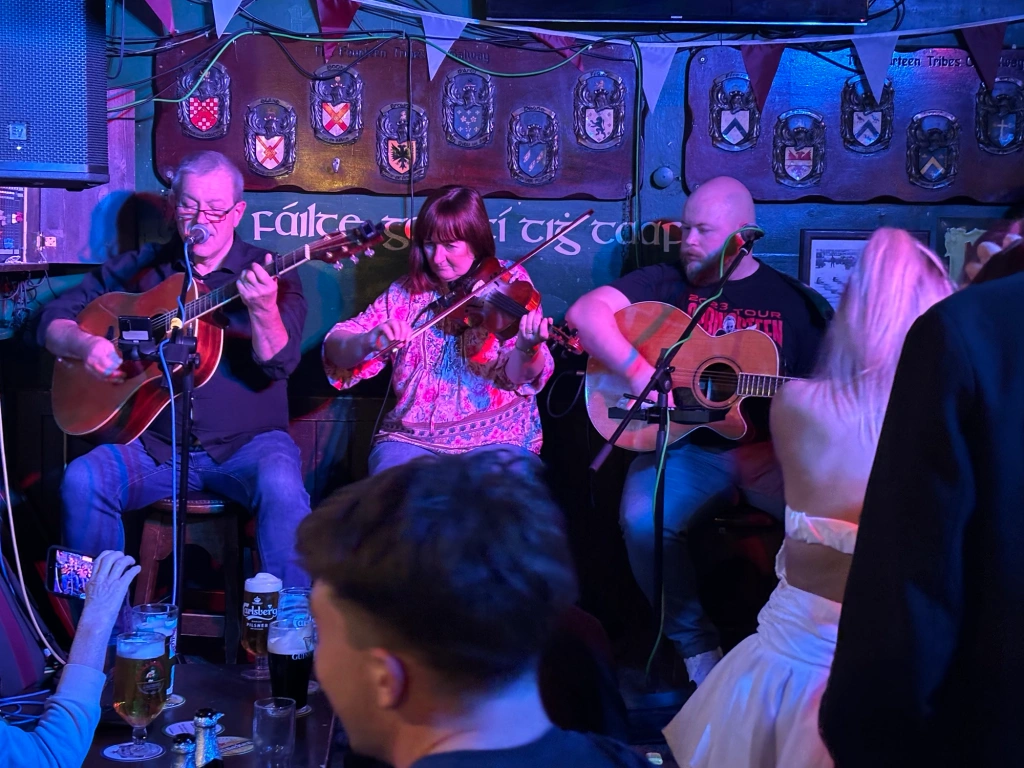
The people were fabulous. I was greeted at Cork airport, returning from a trip back to UK, by an immigration official who after the most cursory of glances at my passport said ‘welcome to Ireland Nicholas’, with a big smile. I’ve never had that before. There is an instinctive social humanity. Somehow the craic follows you – a self-deprecating, teasing, dry, sardonic take on life, accompanied by infectious laughter, which makes light of sometimes frequent miserable weather. Strangers chat to each other in an old-fashioned way that seems long lost from southern England, for example. George Bernard Shaw said that ‘it is impossible for an Englishman to open his mouth without making some other Englishman hate or despise him’. In Ireland no-one cares. Entering any bar, you find yourselves passing the time of day with people within seconds of entering. It’s difficult to feel alone. The music and Gaelic sport, found everywhere, just add to the general degree of fun and enjoyment of life. It’s addictive.
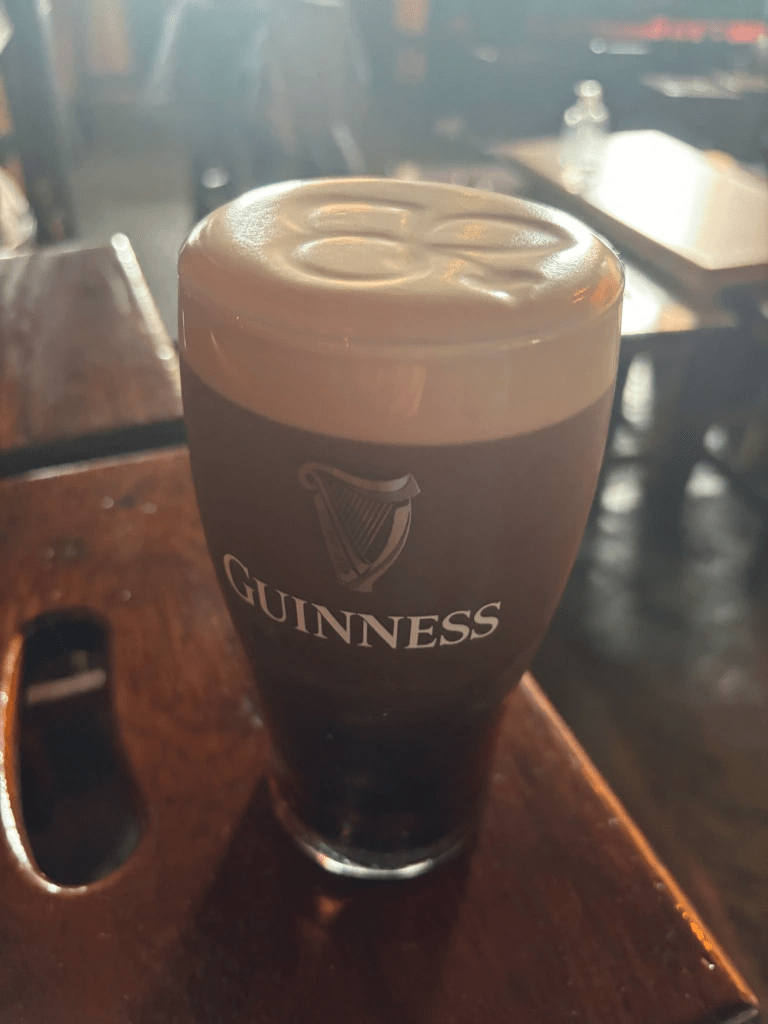
History and politics are never far from you though. There were a couple of occasions when it came to mind. Greeting the assembled members of our rather well-known royal yacht club, the commodore of a well-known Irish one said that it was a great pleasure to welcome us, but not an honour. He said it with a big smile, and no offence was taken, but a gentle point was being made about a free and independent Ireland, in case we had forgotten. So too, arriving in a small bar at Derryvane on midsummer’s day – where turf was of course burning, as it does throughout the year, as summer is not a recognised entity – my order to the barman was remarked on by a fellow customer. ‘Your accent brings out the rebel in me’ he said. I offered to buy him a Guinness, and unsurprisingly we got on just fine. But in the tourist areas of Dublin, where the flags of many nations fly, the Union Jack is not to be seen, except in the small corners of flags from Australia and New Zealand. It’s too totemic, a reminder of tragic events over a hundred years ago. That is a short time in Ireland’s eye, and I better understood the diplomatic importance and weight of the Queen’s words in Irish when she visited in 2011.
There were more flags in the north, of course. The likes of Moneymore and Bushmills hadn’t changed; Union Jacks everywhere, flags for Loyal Orange Lodges, paintings of King Billy and past royals. On the edge of Londonderry / Derry we drove past at the time of the Apprentice Boys of Derry parade; there were Parachute Regiment flags hoisted at the edge of protestant estates. A statement or provocation; it depends on your side. This summer, added to one side’s flags was the Israeli one; on the other side, the Palestinian. The authorities, and the rebels. It is all about sides, and a view on history and religion. I won’t enter the wider debate, and have no desire to be political, but I was saddened to see evidence of the same polarisation of times past.
On a brighter note, the economies of both the north and south were thriving, for different reasons. In the North, one suspects vote-buying during the Brexit years had brought in the money for new roads and infrastructure. It’s a much better place in that regard and it has very obviously moved on and improved in recent years. In the South, it’s the same, but on a wider scale, and to do with well-managed EU membership. Everyone seems to drive smart cars, the roads and transport systems work, and people spoke with much enjoyment of their life improvements and hope for the future. There was 5G everywhere, seemingly in the most remote of places; the UK lags in that regard, very obviously. It is not a country without its problems, of course, but there was a sense of general prosperity everywhere we went. Young continental Europeans work everywhere in the hospitality industry, as they used to in the UK; we are beginning to forget those times.
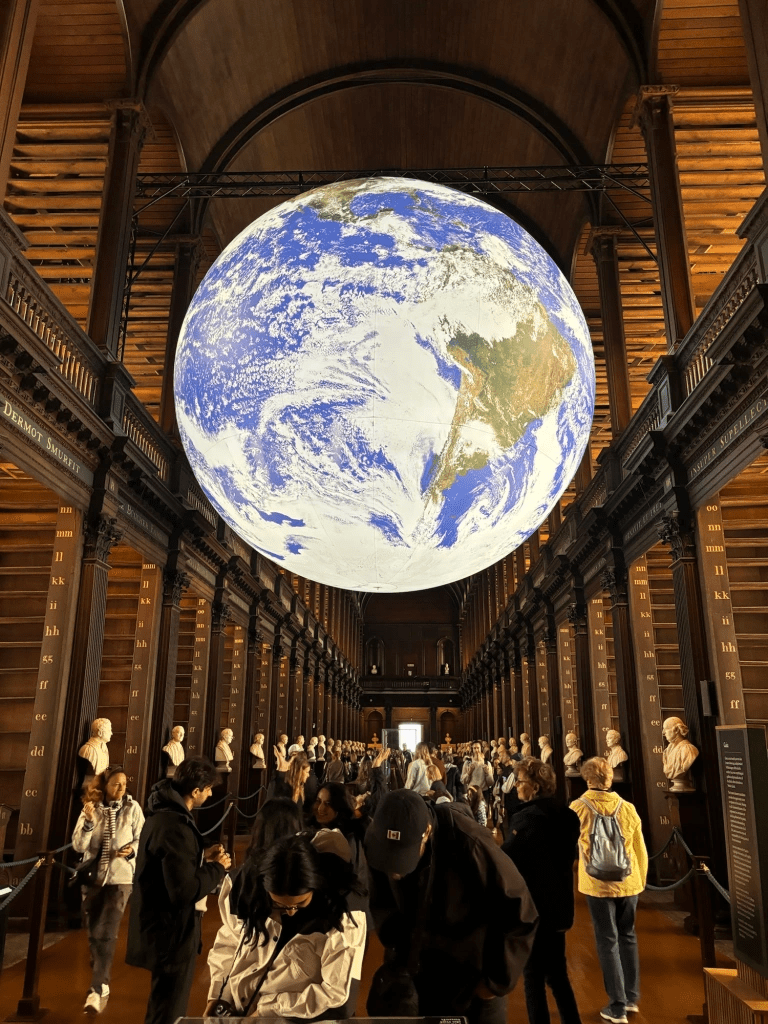
In sum, cruising Ireland was a challenge, which we met with great pleasure. I was so very glad for the Irish experience; it has enriched me on so many levels. Visiting Trinity College Dublin and its wonderful buildings was a real high point, and an education. On a sailing level, next time I will spend more time in the south, between Dingle and Waterford; it’s a coast for the discerning sailor. It merits more attention, and draws you in. You could lose a month or two there. If you haven’t cruised Ireland – please go and sail there, and if you are not a yachtsman, go and visit anyway. You won’t regret it.
 The Travels of Spellbinder
Great reflections, Nick. So glad you had the chance to do this. Johnny
>
LikeLiked by 1 person
A lovely read Nick.
LikeLiked by 1 person
Thanks for the blog, Nick, and for the customary wonderful pictures.
I’m glad that you had a great trip, and your observations are similar to mine, as I have done sections of the circumnavigation at different times.
The Wild Atlantic Way is truly remote – you can go all day without seeing another yacht and, as you say, you have to be prepared to be self-sufficient, but the effort is so worthwhile.
LikeLiked by 1 person
Great to read your reflections Nick. What an amazing summer you have had. Glad to have been able to share a few days of it with you.
LikeLiked by 1 person