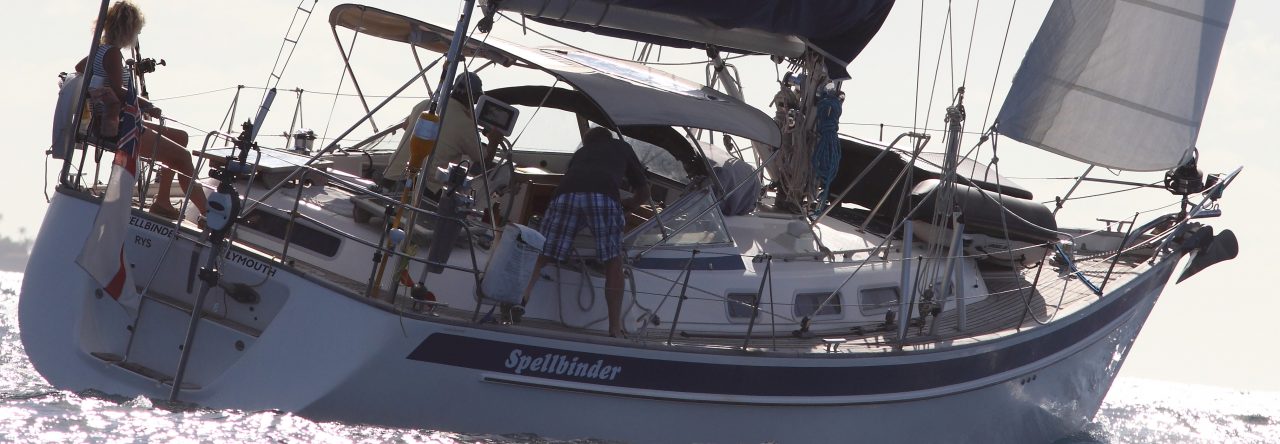
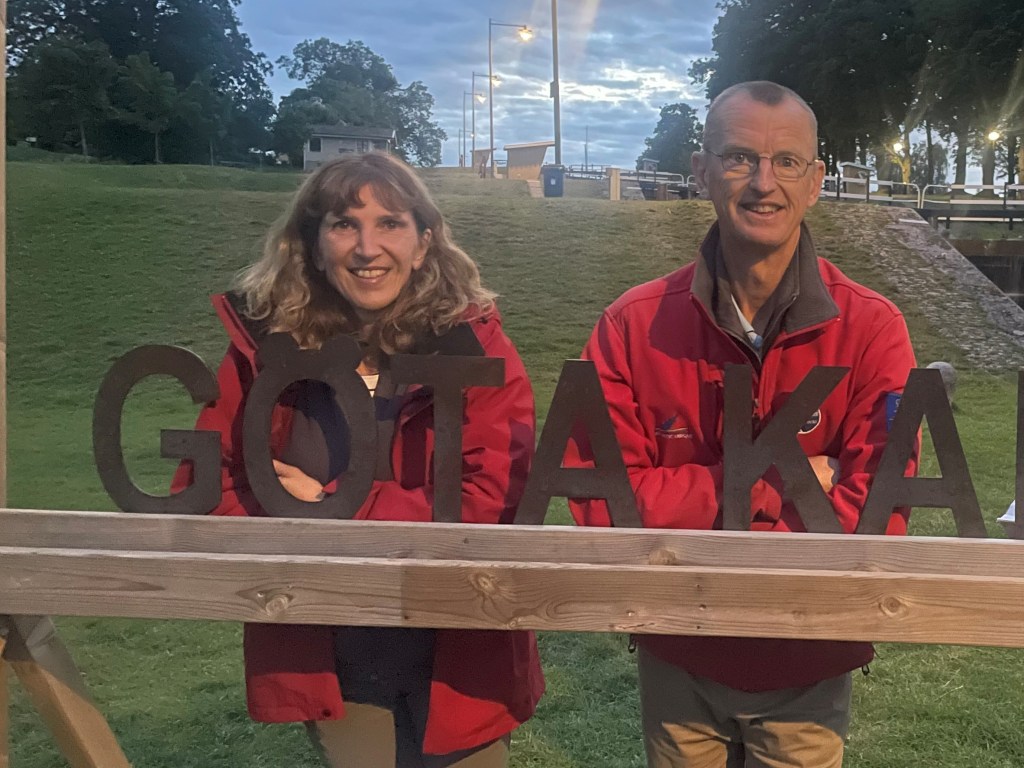
Over the last couple of weeks Spellbinder and her crew have crossed Sweden via the Göta and Trollhätte canals, which were originally built in the 19th century to allow shipping to pass from Gothenburg to Stockholm and vice-versa. They are wonders of the industrial engineering of the era. These days while parts of them are still used for commercial purposes, they now mainly benefit the leisure and tourist industries. They are a wonderful way of seeing some of Sweden’s interior, and we much enjoyed our passage across.
The journey started at Nynäshamn, where Sue and I were joined by new crew Neil and Clare, veterans of many of Spellbinder’s past voyages. I wanted to show them a little of the archipelago south of Stockholm before we entered the canal, so we headed back to Ringson for a spot of traditional stern anchoring, mooring to rocks action.
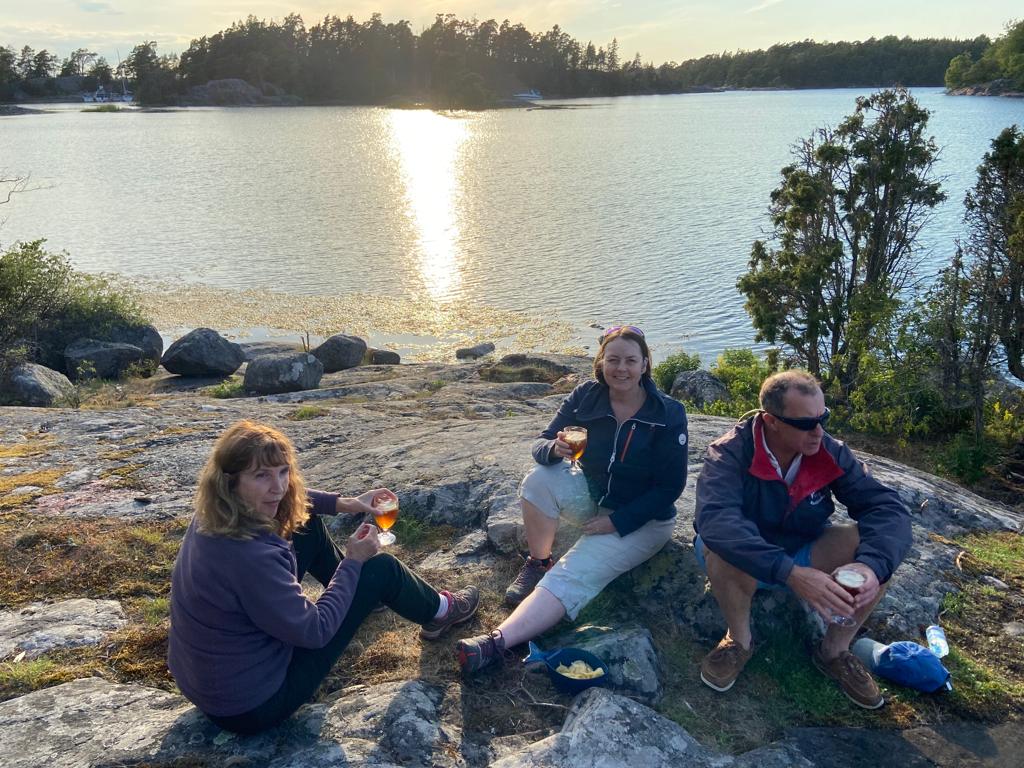
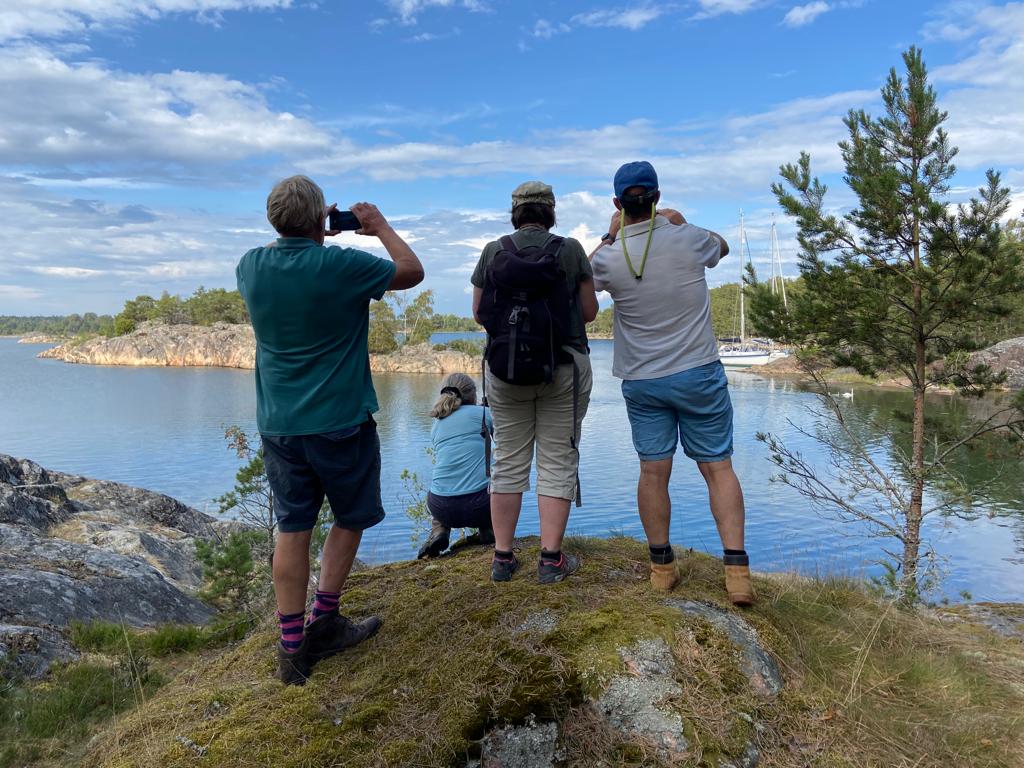
The next day we arranged to meet fellow RCC cruisers Nick and Margie. We rafted up together, had lunch and walked on one of the islands (Sackholmen), generally enjoying the tranquility and nature of the place.


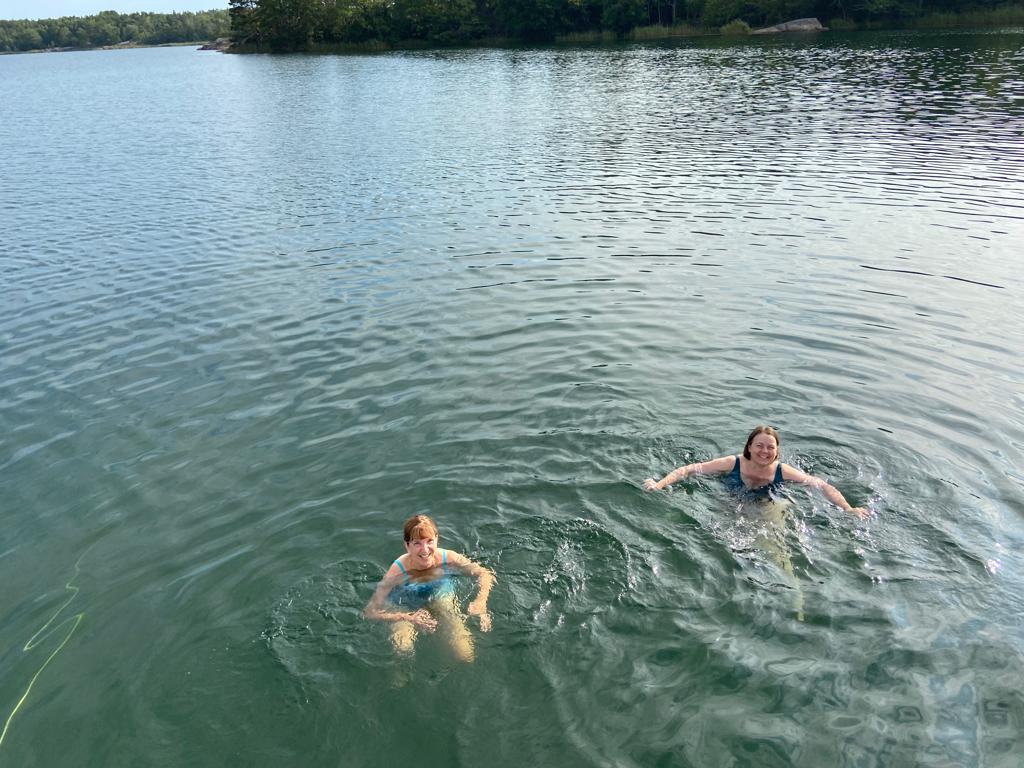
We then headed to the wonderfully-named island of Broken, where we found walks, incinerating loos, saunas and swimming. Our final stop before Göta was Arkösund, where we enjoyed forest walks and the company of some Australian sailors, who had bought a Dutch motor boat and were enjoying NW Europe in it.
The entrance to the Göta canal on the east side was Mem, where we moored up, paid our dues, received our electronic cards and ticket to place on our bow. It’s quite expensive but all the mooring and facilities are included in the single price you pay.


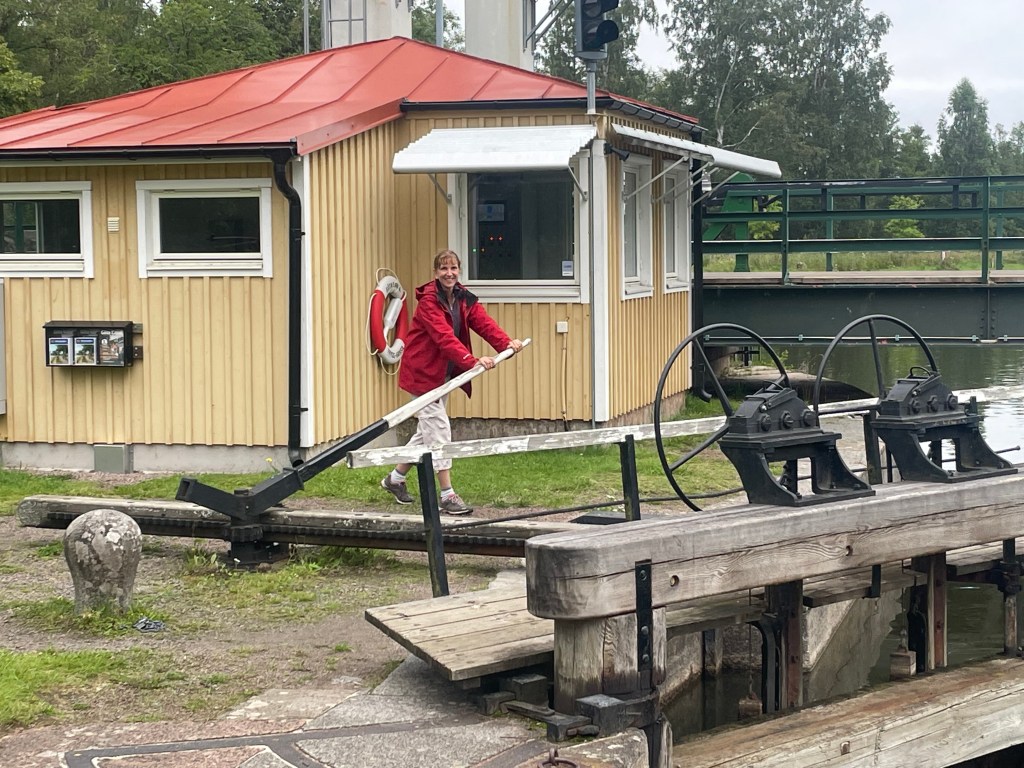
Heading west, the first half of the canal is upwards, so you have to drop of a crew member approaching a lock and they place a bow and stern line around rings at the top, allowing you to control the ascent. This is sometimes quite lively. Clare took on this role with great efficiency.

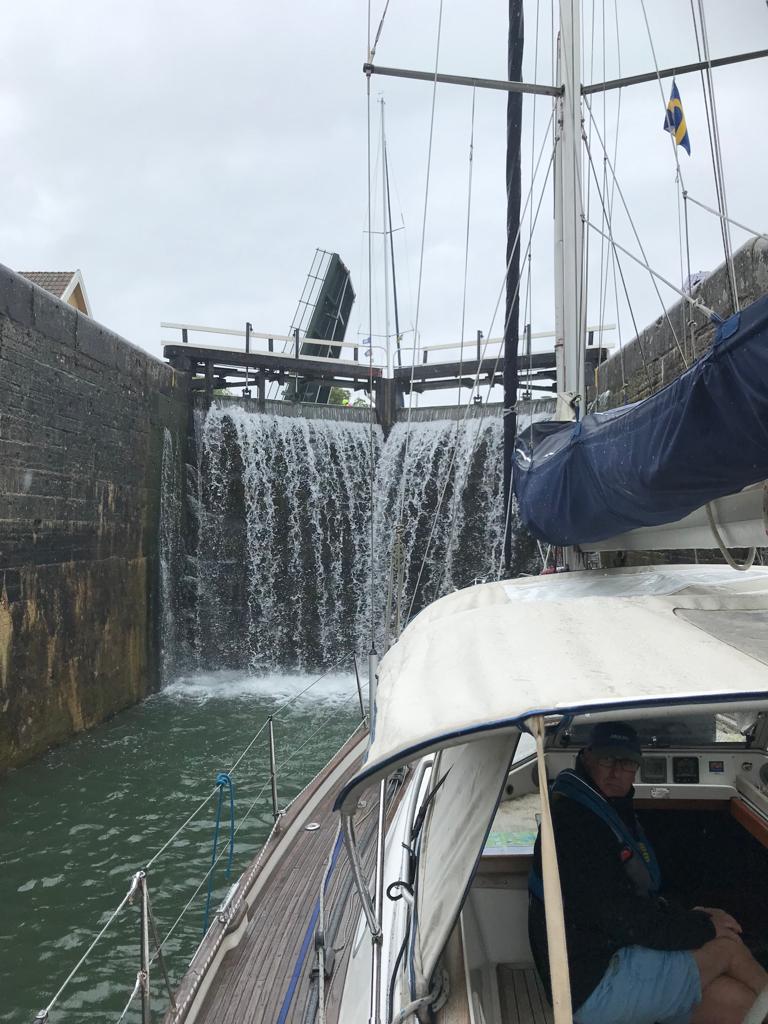
Our first stop was Söderköping, where we walked above the cliffs looking down on the canal, and had some ice creams which are renowned nationally.


We progressed through the locks and various bridges which opened as we arrived, and across various inland lakes which formed part of the transit. The first of these were small ones – Asplangen and Roxen. Of note, we spent a night at Berg, which has a flight of locks very similar to Neptune’s staircase at the west end of the Caledonian Canal, which Spellbinder traversed in 2022. Sir Thomas Telford, who was the architect of the Caledonian, was called up by the Swedes to advise on the Göta.
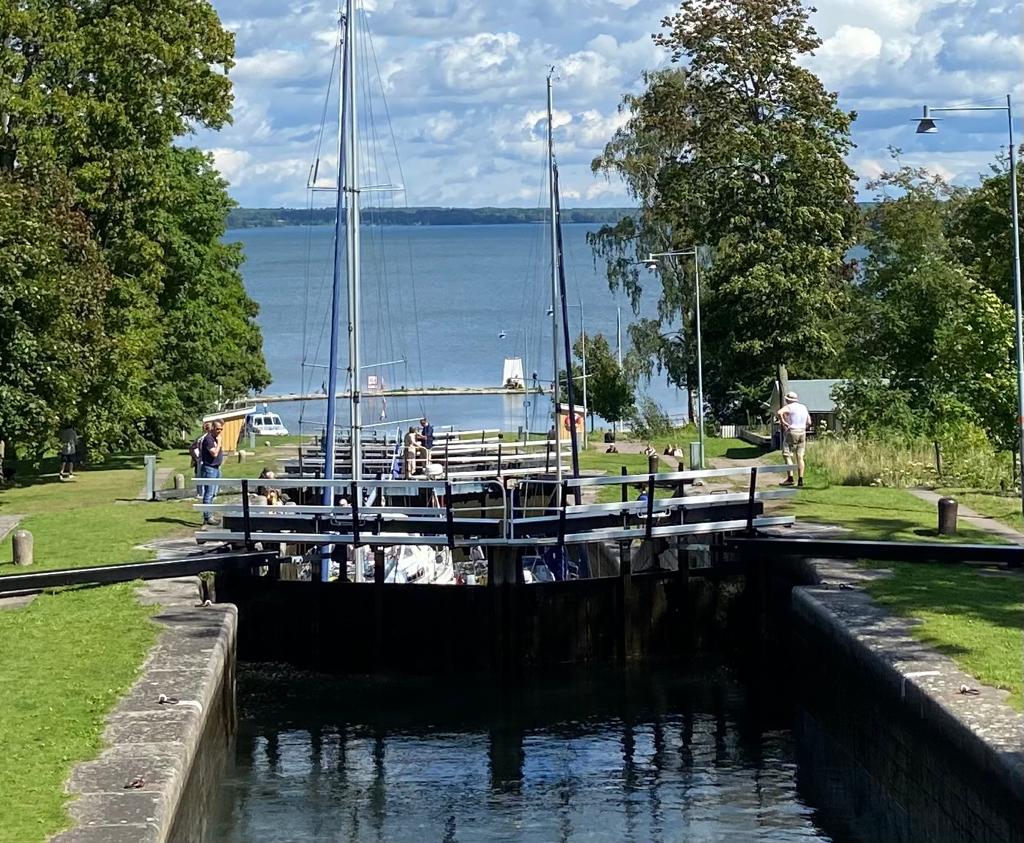
We were making good progress, and at times the crew walked, ran or cycled to get some exercise as we continued our journey.

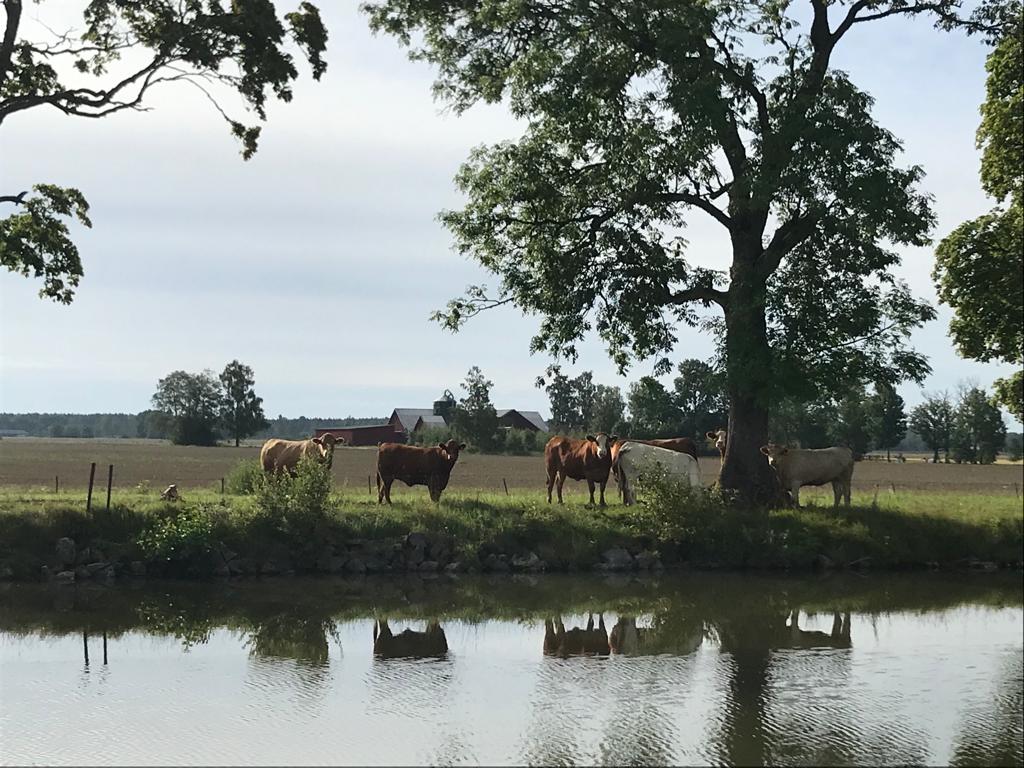


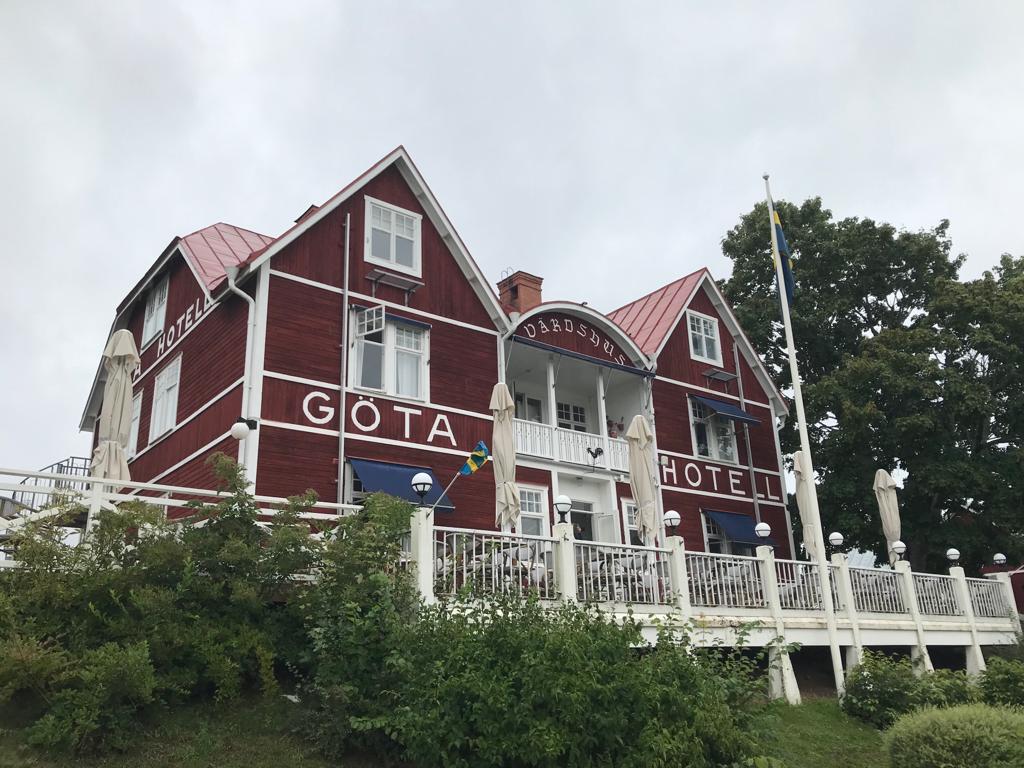


We headed through Lake Boren to Motala, and onto perhaps one of the most beautiful parts of the journey, Lake Vättern. We saw plenty of birdlife, including sea eagles and divers, and some part of the route were very narrow. The highlight of Vättern was undoubtedly Vadstena, where we entered a narrow canal and parked in the moat of the castle there.
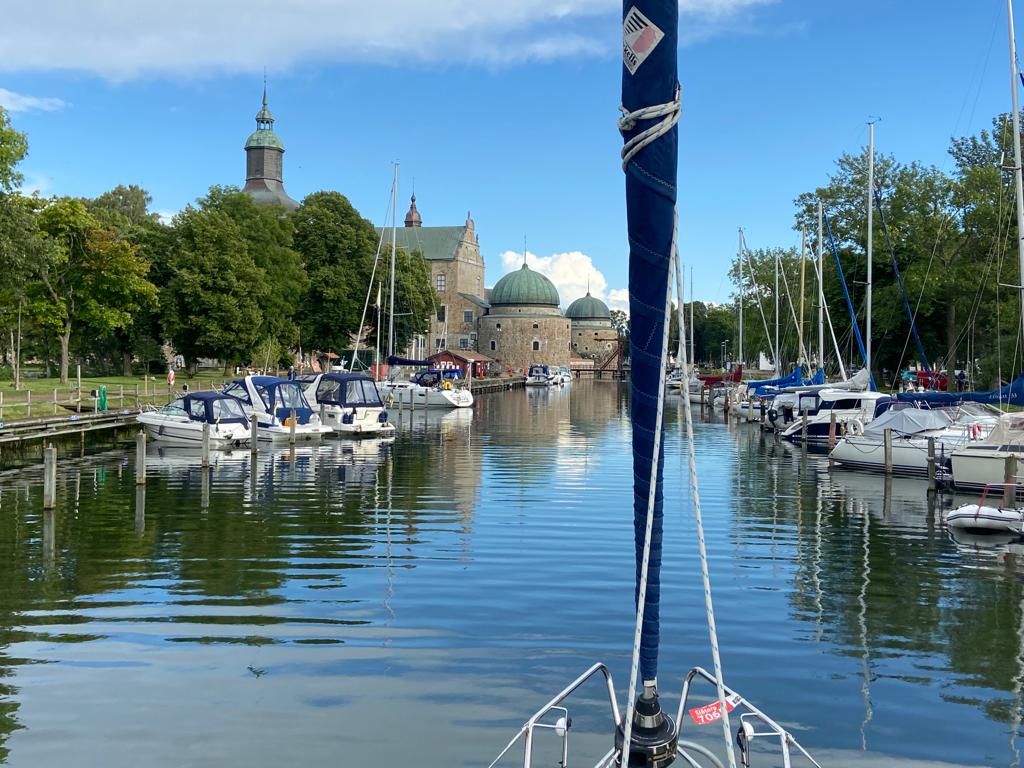
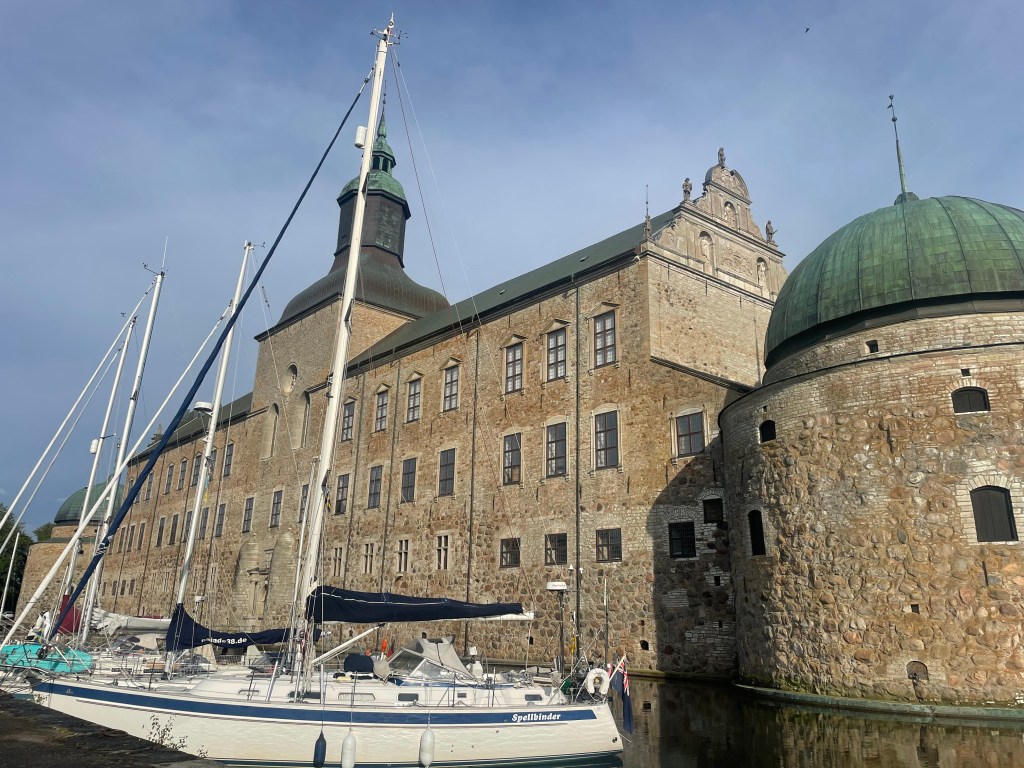
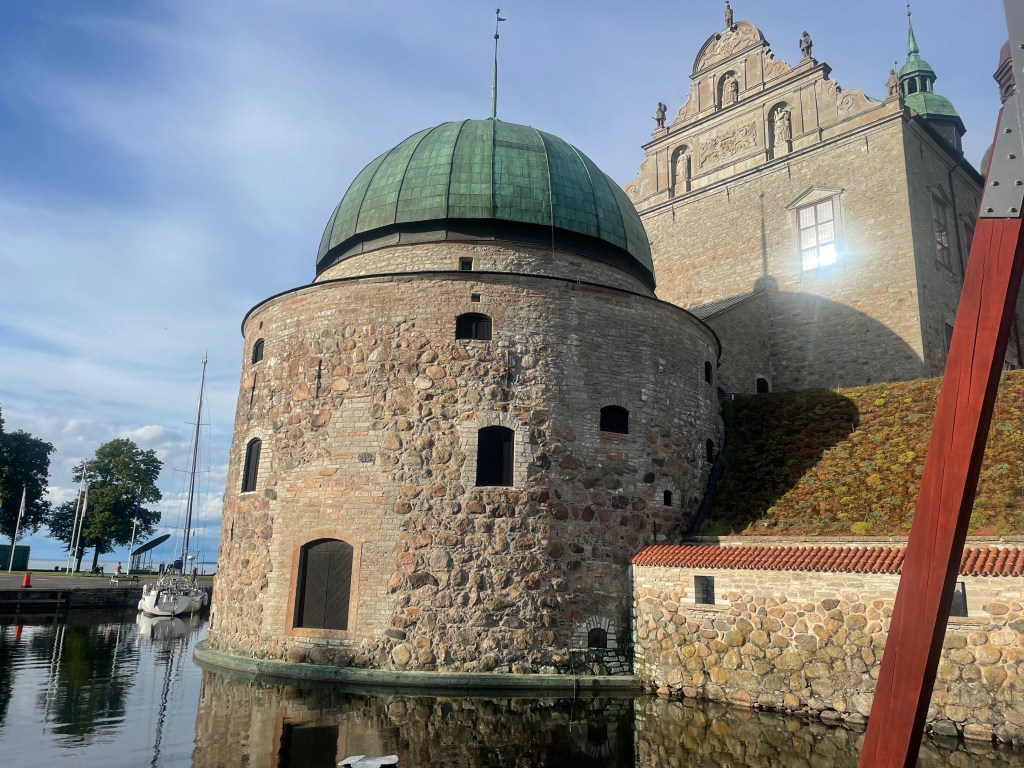
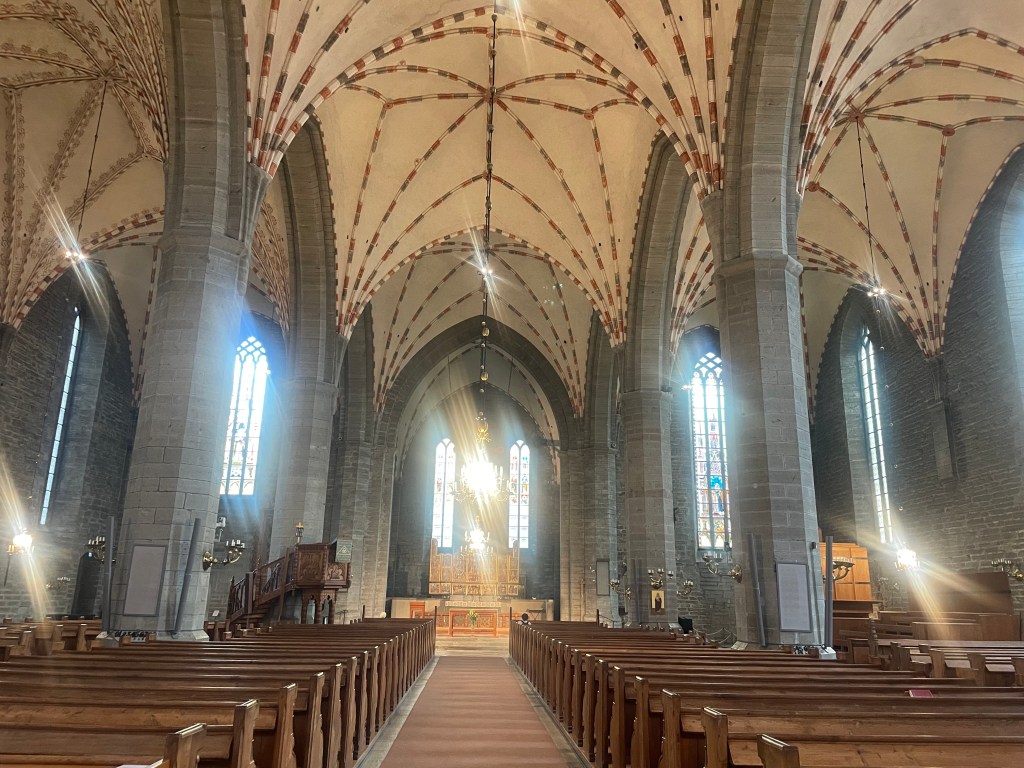
At Vadstena we also visited the cathedral, and wandered around the cobbled streets. It’s a truly remarkable lakeside town, with much religious history.
We visited an old industrial museum at Forsvik, and entered Lake Viken, which was also very enchanting.
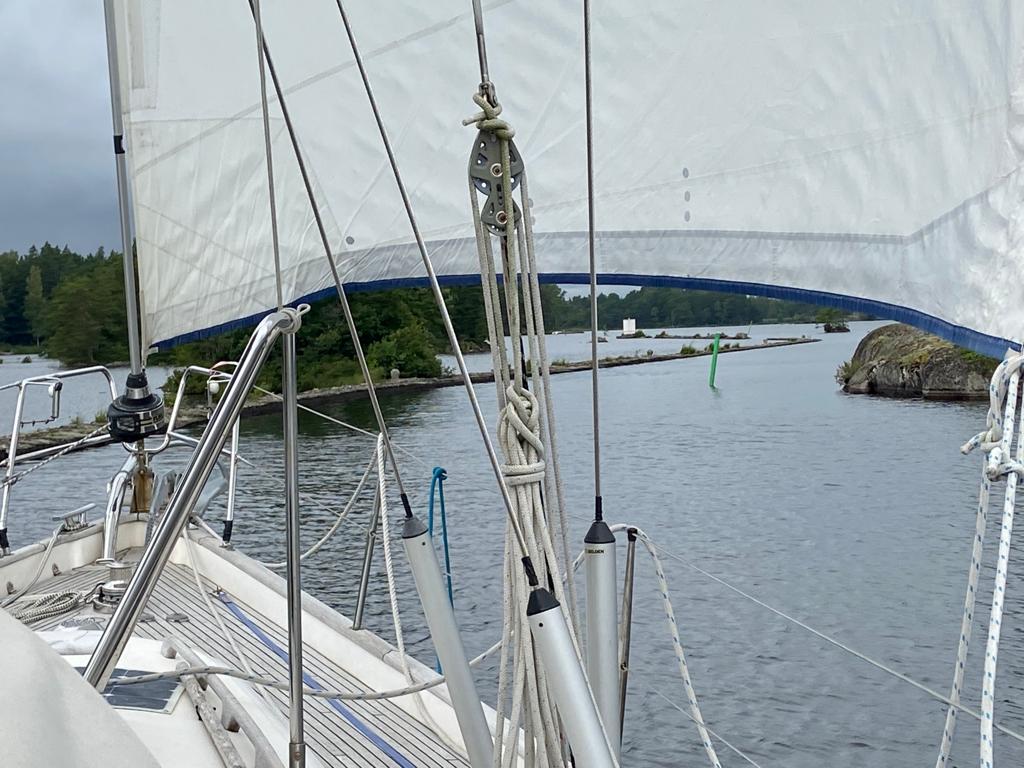
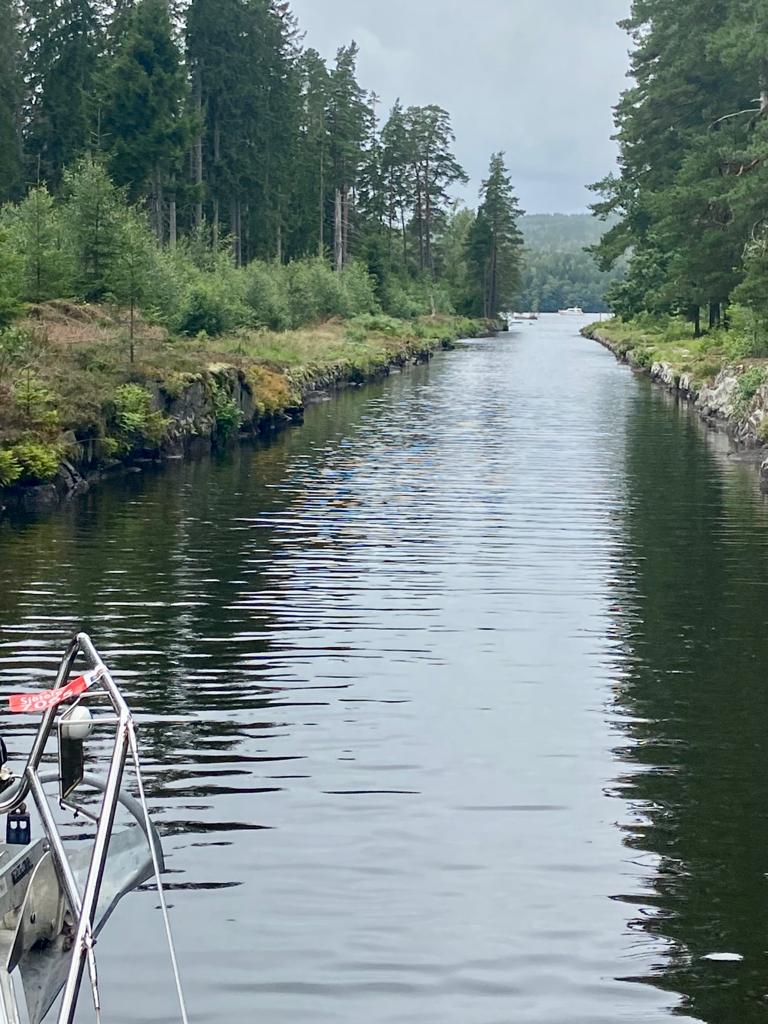
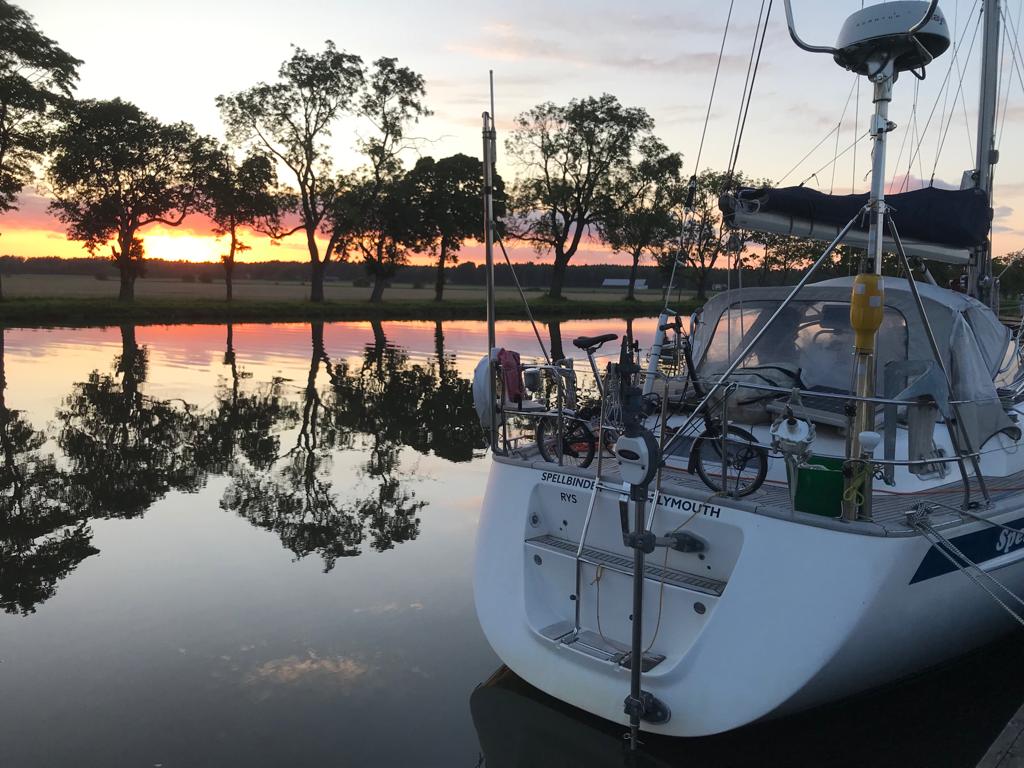
By now we had reached the top of the canal, and we then began our descent, which was much easier and rather more gentle all round in the locks. From Viken we went through the narrow Berg canal to Töreboda, stopping at Jonsboda for the night just before. This part of the canal resembled parts of France, and were were treated to a beautiful sunset.


We were now approaching the end of the canal, and the weather was beginning to deteriorate. We locked out after a soggy day in Sjötorp, where we had had the solace of finding a fresh fish and chip restaurant (I’ve never had perch and chips before).
We then had a lovely sail down what is Europe’s third biggest inland lake, Lake Vänern. We felt we had stolen a day – the forecast had been pretty dire, but we had sun, a fine broad reach in part under cruising chute, and another castle in front of which to moor.

Time was getting on, and we entered the bottom of the lake at dusk, after sailing 60 nautical miles. Our port for the night was Vannesborg, which also served as the entrance to the Trollhätte Canal, which would lead us to Gothenburg.
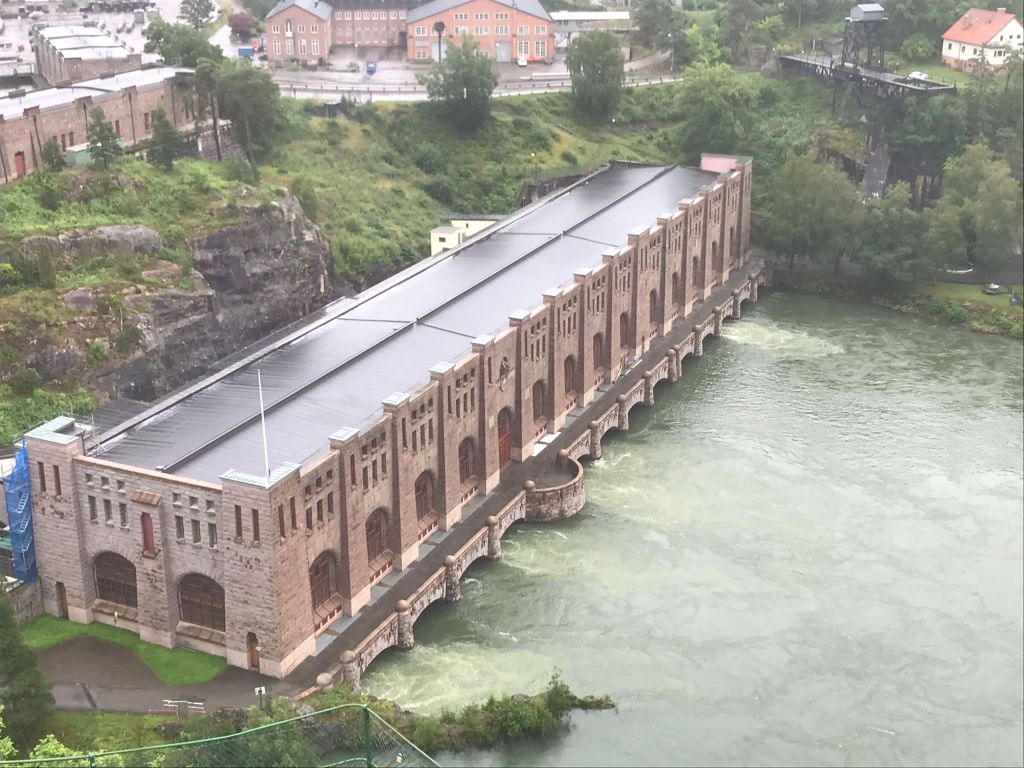
The rain persisted, but we entered the Trollhätte with the bimini up to keep some of the rain off. The locks are much bigger, with significant vertical drops, and still take considerable amounts of commercial traffic.

We stayed the night at Trollhattan, visiting the canal museum and with the crew enjoying a damp walk around the remains of the old lock systems, which have been enlarged over the years to accommodate ever greater amounts of commercial traffic.

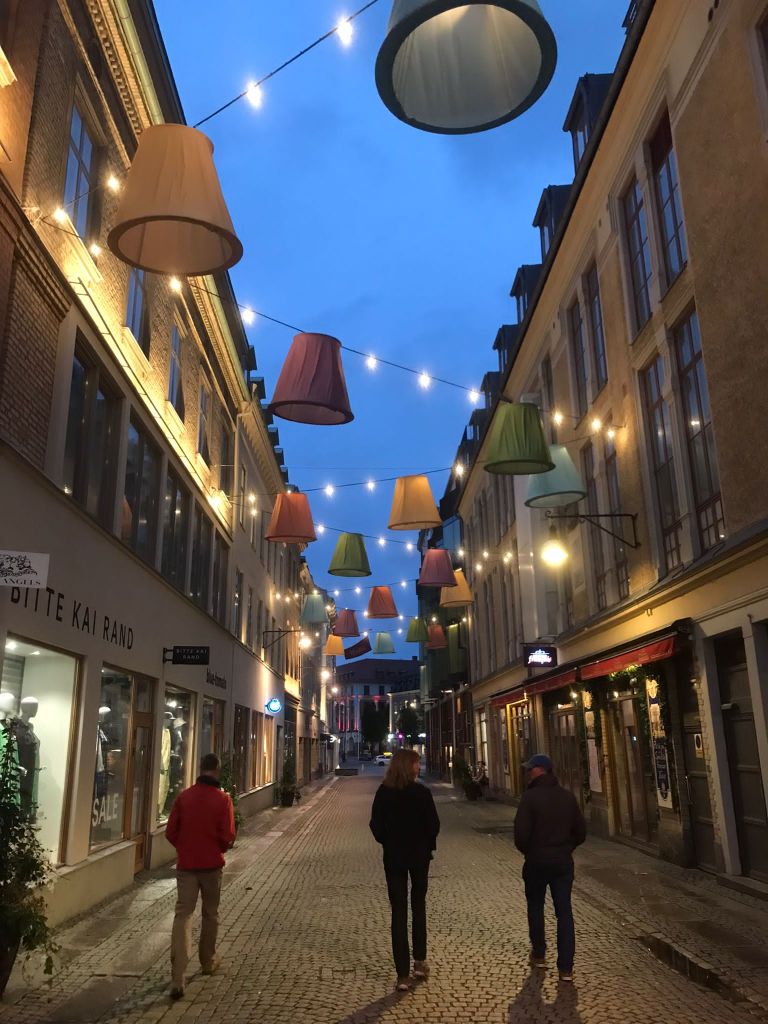
Once through the big locks we wended our way down the Gota Av, the long winding river which flows down to Gothenburg. We found a spot in the City Marina, where I bumped into a friend of a friend. Once in, we were able to take a tram into the city to enjoy a good night out, enjoying the Haga district in particular.

Thank you, Neil and Clare, for being such good company and able crew. It was a great fun mini cruise, full of variety and interest. Sue and I now plan to sail up the west coast of Sweden to Oslo, to make the most of what remains of the cruising summer.

 The Travels of Spellbinder
I’ve enjoyed following your progress on AIS and very much enjoyed this write up and the stunning photos! What a wonderful trip.
LikeLiked by 1 person
Another great read Nick – and that sunset at Jonsboda looks amazing!
LikeLiked by 1 person
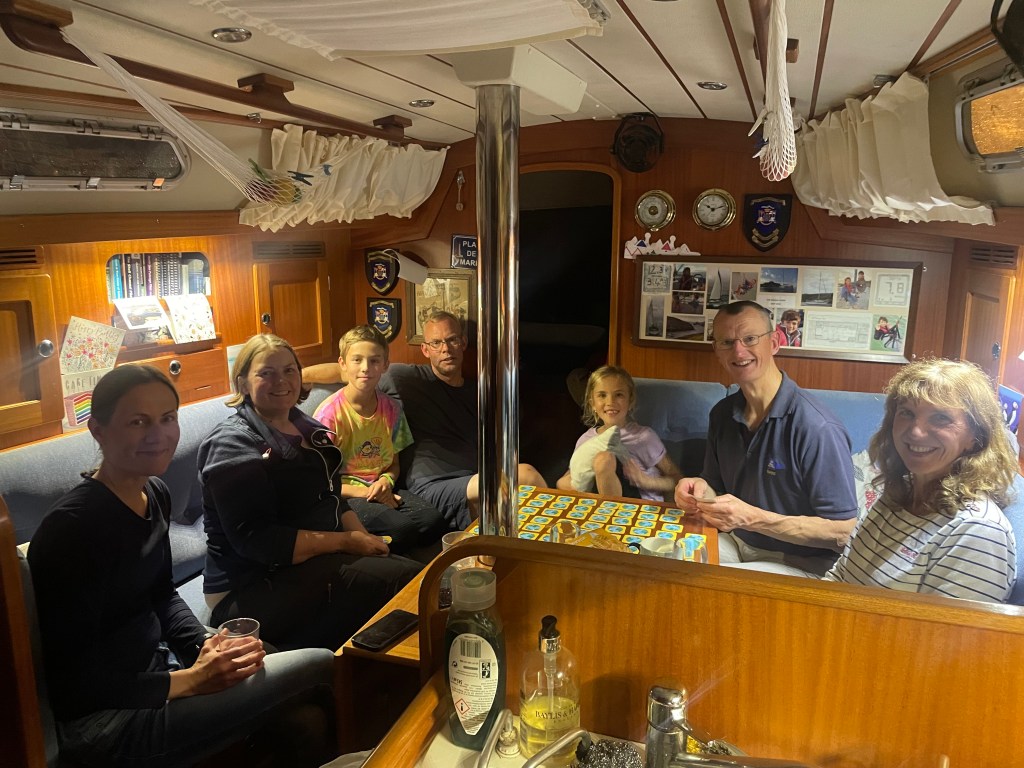
Thank you for having us over for drinks that day in Trollhättan, brightening up an otherwise rather dark and damp evening. We had a lovely time! Hope you enjoyed your time in Sweden, and wish you safe travels back to the UK.
LikeLiked by 1 person
Thank you Emma. It was a real pleasure meeting you and your lovely family.
LikeLike